Supporting Bolivia’s energy and minerals supply chains
For 30 years, Trafigura has helped supply fuel to landlocked Bolivia and connected its mineral producers with customers worldwide.
Through our trading, logistics and infrastructure capabilities, Trafigura moves commodities across complex regional supply chains, bringing fuel into Bolivia and minerals out to international markets.
At a glance

“Our regional network, trading capabilities and logistics expertise enable us to provide reliable access to fuel in Bolivia , while also supporting the country’s mineral producers in accessing international markets.”
Edmundo Vidal
General Manager, Latin America, Trafigura
Supplying essential fuels for Bolivian energy security
Bolivia has no coastline, so petroleum products must cross neighbouring countries and regional transport corridors before they reach consumers. No single route can serve the whole country. Trafigura supplies Bolivia via all five neighbouring countries (Argentina, Brazil, Chile, Paraguay and Peru). We combine barges, vessels and trucks, matching each route to the product, the destination and conditions at the time.
Trafigura has invested over many years in the infrastructure and logistics capabilities needed to support these flows, helping to improve the reliability and efficiency of fuel movements and reduce dependence on long-distance road transport.
The Paraguay-Paraná waterway
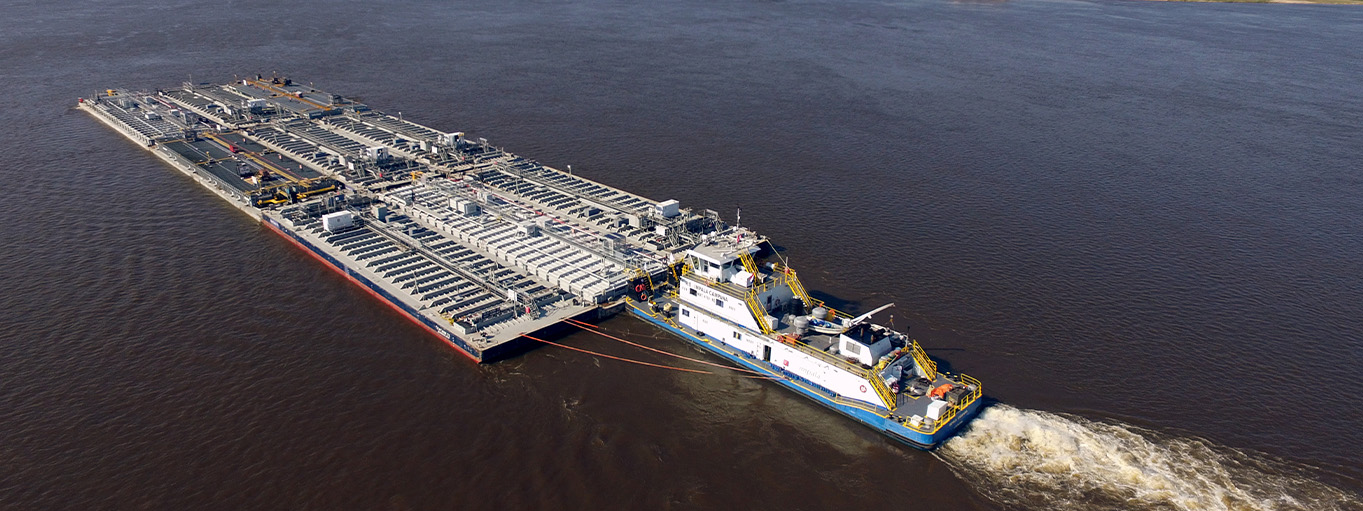
One of the most important corridors is the Paraguay-Paraná waterway, a river network linking Argentina, Paraguay, Brazil and Bolivia. Fuel products sourced internationally can be shipped to Trafigura’s Campana Terminal in Argentina. From there, products including crude, diesel, and jet fuel move north through the waterway as part of a wider multimodal supply chain serving landlocked markets in the region.

Complementary routes
Ocean-going vessels deliver to ports across the region, and trucks carry products overland to depots and consumers in Bolivia. Having several routes means we can respond to changes in river levels, congestion, border conditions or demand, which improves reliability and reduces reliance on long-distance road transport.
Connecting Bolivian metals and minerals with global markets
Mining is central to the Bolivian economy, and the country produces zinc, lead and other minerals for export. Trafigura buys mineral concentrates from Bolivian exporters and works with producers, processors and logistics providers to reach global customers.
Financing growth
We support mining development by providing finance linked to physical supply, from working capital for day-to-day operations to funding for mine expansions and new projects. Today, 30 Bolivian clients are supported by financing from Trafigura.
USD25 million to support on-site processing for the Don Mario mine
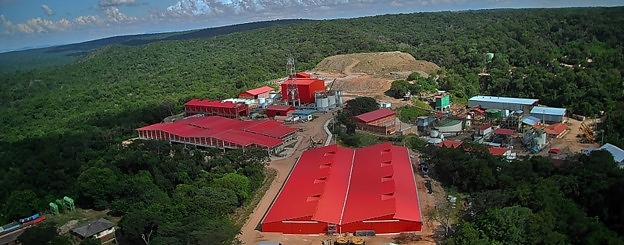
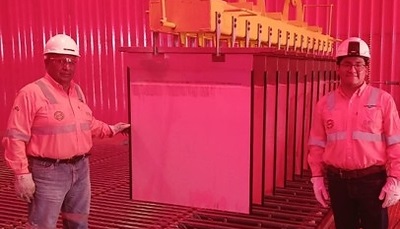
To fund completion of the Don Mario processing plant expansion, we provided a US$25 million secured prepayment facility to Empresa Minera Paitití S.A. (EMIPA), the Bolivian subsidiary of Orvana Minerals. The financing is paired with offtake agreements covering 100% of life-of-mine copper cathode and gold-silver doré production from the Don Mario oxide stockpile, priced against LME and LBMA references.
This structure provides EMIPA with the capital to complete the expansion, combined with the commercial certainty of long-term offtake for its output.
Investing in metals logistics and infrastructure
Trafigura has invested over many years in logistics and infrastructure that make Bolivian metals supply chains more efficient and reliable – giving producers and buyers more routes, better handling and greater certainty at each step from mine to market.
Servara in Oruro
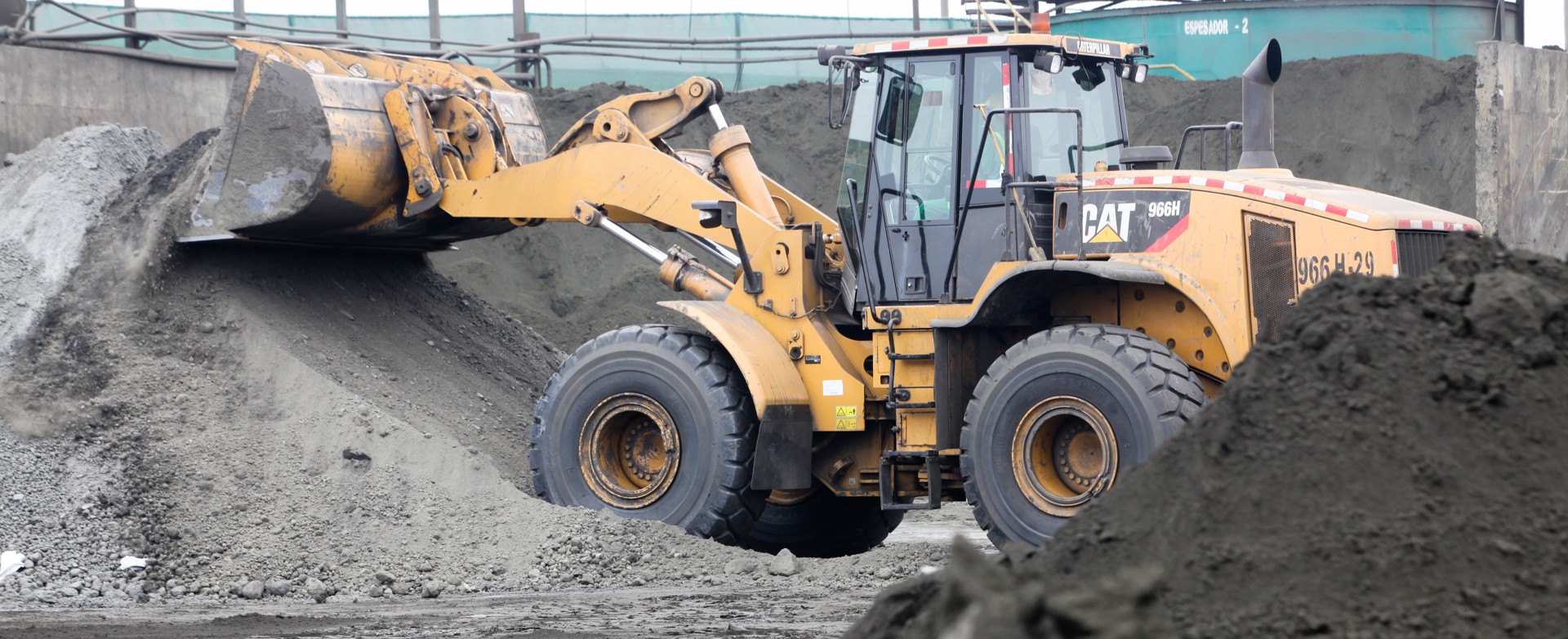
Servara, our logistics and infrastructure business, operates a facility in Oruro, one of Bolivia’s principal mining regions. The 17,000m² site handles more than 250,000 tonnes a year of zinc and lead concentrates and other bulk commodities. It receives, weighs, samples, analyses, stores and containerises material for export. Its sampling unit is accredited to ISO/IEC 17025, giving producers and buyers confidence in the quality data behind every shipment.
A new Pacific gateway in Arica
In 2026, Impala Terminals, a Trafigura joint venture, opened a dry-bulk facility in the industrial zone of the Port of Arica, Chile, a key Pacific gateway for Bolivian trade. Built in just over two years, the site has an 8,000 m² warehouse and receives Bolivian concentrates by truck. An enclosed handling process keeps trucks out of the city and limits environmental impact. The facility opened fully contracted and has created 40 jobs.